
June 17, 2025 — Redmond, Wash. The Redmond City Council unanimously adopted updated development regulations implementing the Redmond 2050 Comprehensive Plan, including a new Development Incentives Program that provides density and height bonuses for housing projects near light rail stations in exchange for community benefits such as affordable housing and green building features.
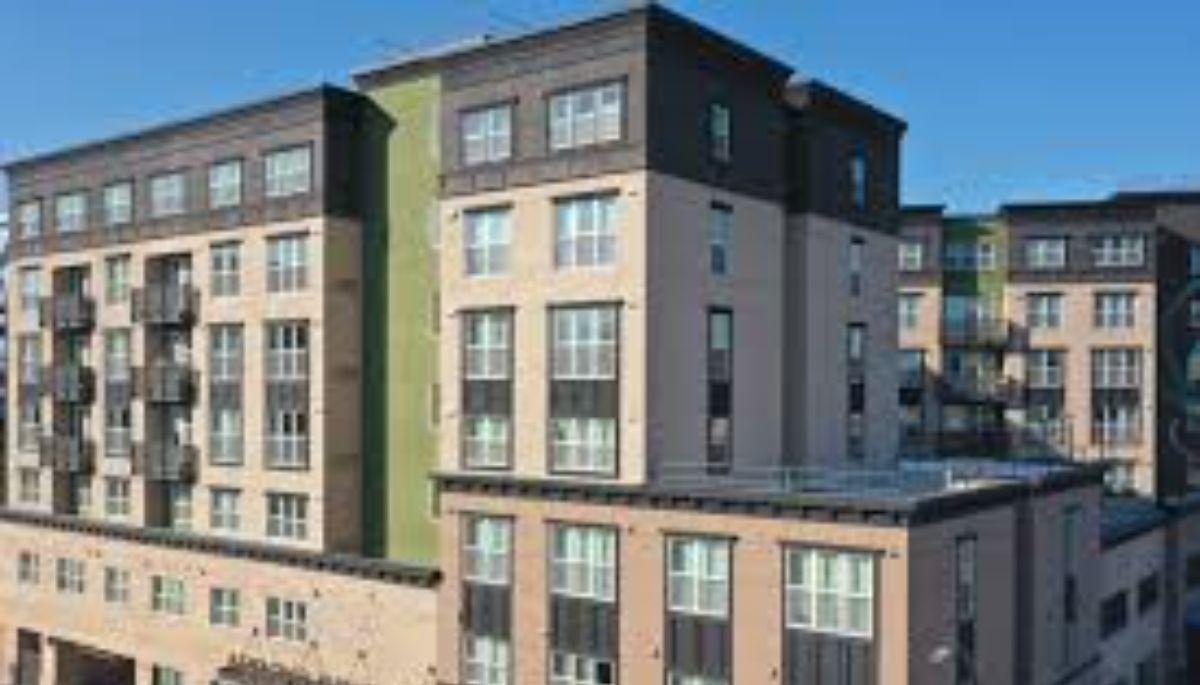
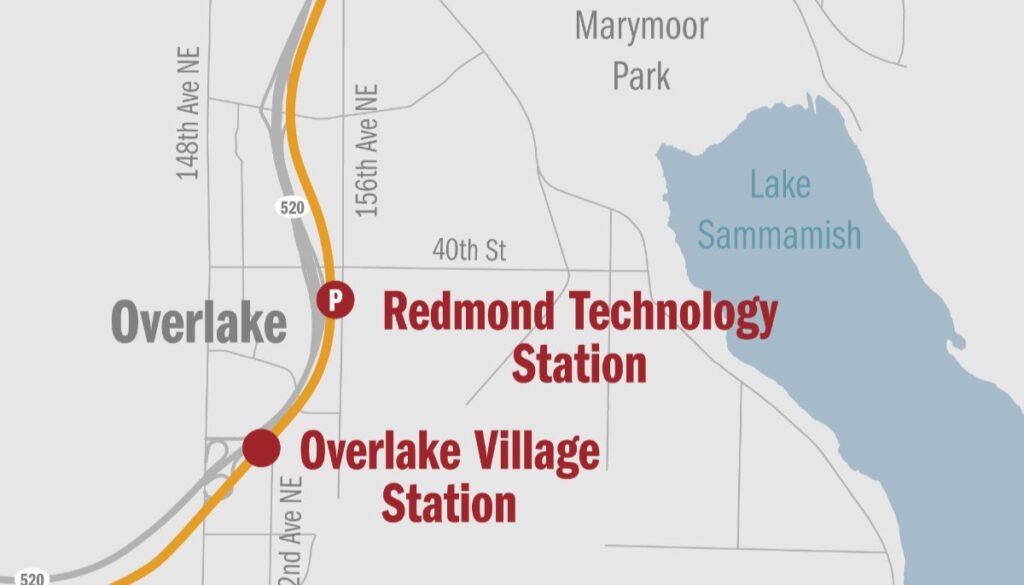
The program, effective June 28, 2025, replaces previous incentives and introduces a points-based system under the new zoning code chapter RZC 21.55. Developers earn additional floor area ratio (FAR) with no cap and height bonuses—up to 300 feet or more in transit-oriented development (TOD) focus areas like Overlake—by selecting options from categories including affordable housing, inclusive design, open space, and arts. Projects in Downtown Redmond, Overlake, and Marymoor Village must choose at least one item from the main categories, with bonuses for stacking benefits like child-friendly units or mass timber construction.
Mayor Angela Birney stated,
“These code updates reflect years of community input and a shared vision for a more inclusive, sustainable, and vibrant future. With these changes, we’re building a city that works for everyone, both today and for generations to come.”
The updates build on the council’s November 19, 2024, approval of the Redmond 2050 Comprehensive Plan, which directs growth to three light rail-adjacent neighborhoods expecting 21,800 new homes by 2050, compared to 8,000 elsewhere, according to reporting by The Urbanist. It allows sixplexes citywide in former single-family zones, lifts parking minimums in TOD areas, and raises inclusionary zoning requirements to 12.5% affordable units in key zones.
Community advocates praised the process. Guillermo Rivera of Eastside For All noted the city’s outreach efforts, while Planning Commission Vice Chair Jeannine Woodyear called it “a reflection of our community’s diverse voices and values.”
The incentives aim to maximize transit-oriented development near Redmond’s four light rail stations, promoting equity, sustainability, and housing affordability amid state mandates for denser zoning. Developers can request pre-application meetings to explore options, with periodic program updates planned.