
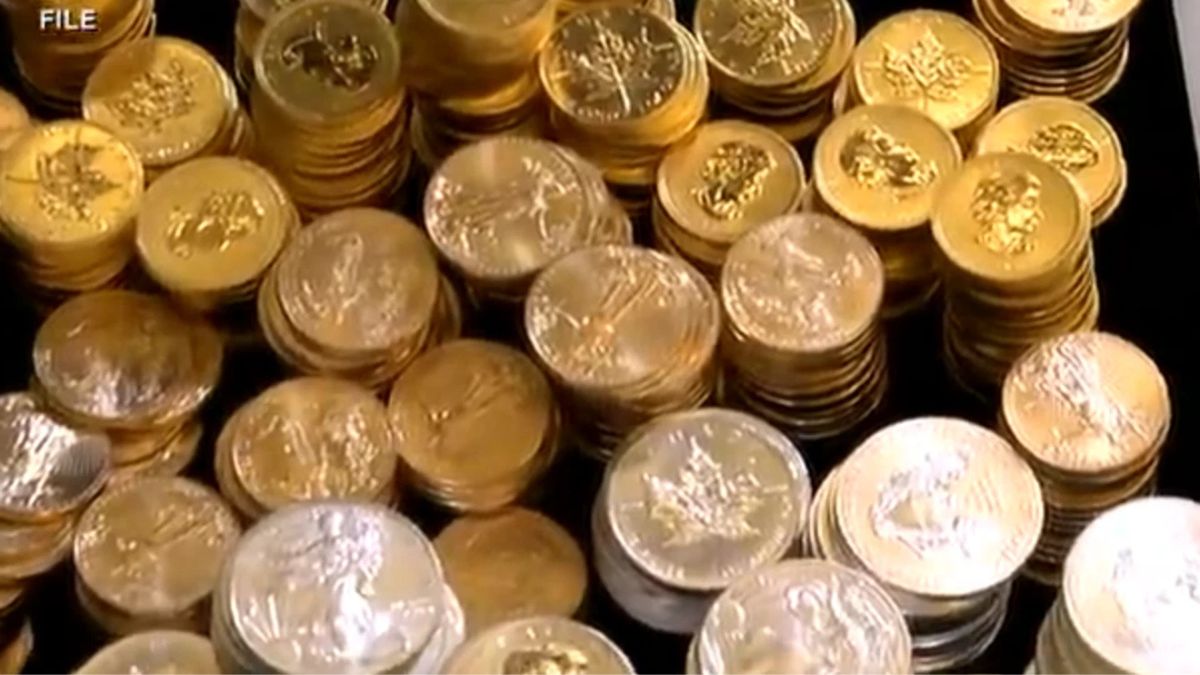
Jan. 6, 2026 — Kirkland, Wash. Washington state’s new sales tax on refined precious metals took effect Jan. 1, ending a 40-year exemption and imposing rates of 10.3% to 10.6% plus a 0.471% business and occupation tax on sales of gold, silver, platinum and rhodium bullion and coins, prompting local dealer Redmond Rare Coins to warn of customer losses and business shifts.
The tax, part of ESSB 5794, is projected to generate up to $34 million biennially for the state, according to lawmakers, though dealers argue it will drive sales to tax-free neighbors like Idaho and Oregon.
Redmond Rare Coins owner Carolyn Beko, operating on 1-3% margins, anticipates price increases of 11-12% to break even and a pivot to wholesale sales to resellers, which avoid retail tax.
“I have to wait for my precious metals to go up at least 11 or 12 percent to break even, just to break even, and that’s unfair. It’s completely regressive.”
Beko told KOMO News.
In response, dealers, including Beko, formed the Washington Coin and Bullion Association (WCBA), where she serves as president.
The group, representing about 100 stores, has raised $20,000 toward a $70,000 lobbying goal and urges supporters to contact legislators for HB 2115, pre-filed by Rep. Amy Walen (D-Kirkland), to repeal the tax.
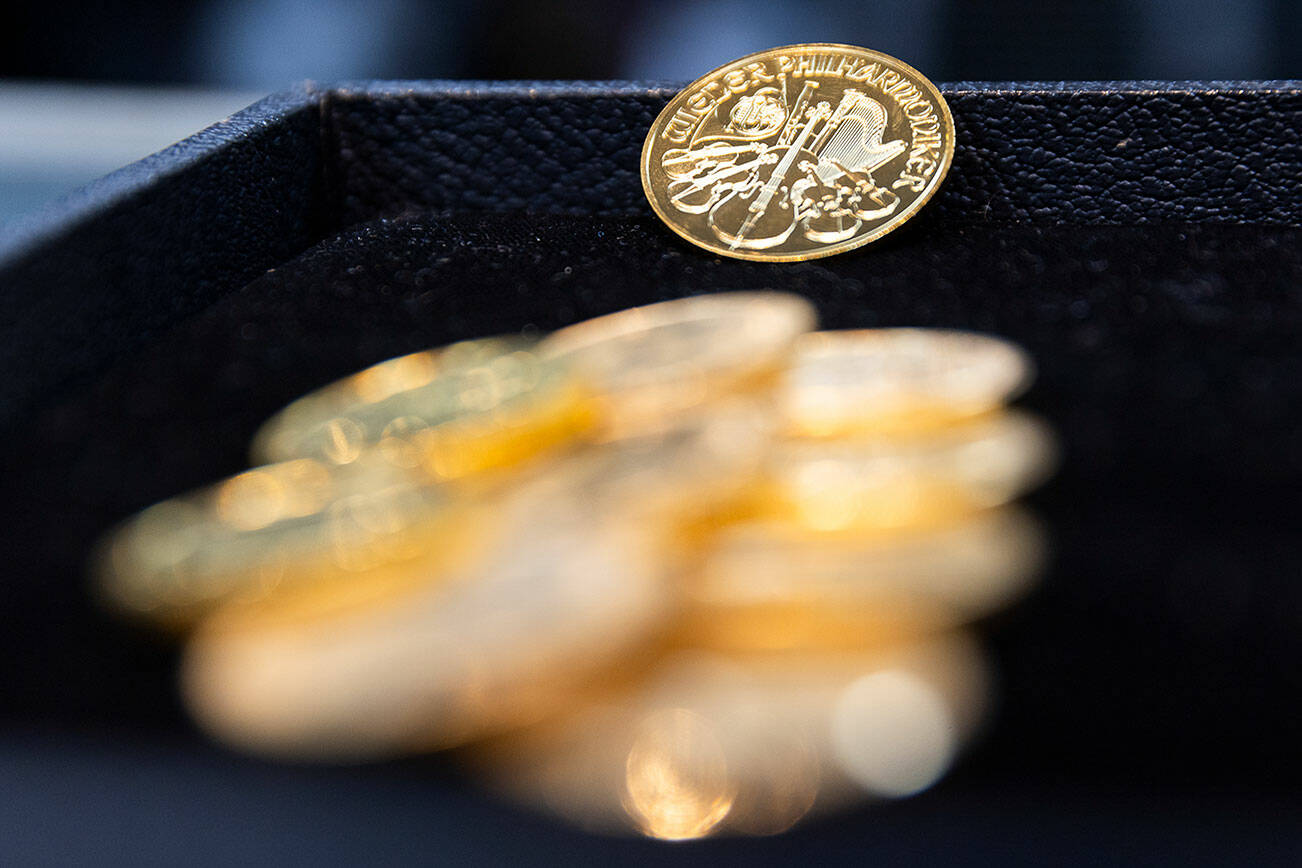
Beko predicts vanishing coin shows and minimal state revenue gains. “No one will be buying gold in Washington,” she told HeraldNet. A Seattle Times preview noted buyers’ price sensitivity: “Our buyers want the cheapest price possible,” Beko said, foreseeing drives to other states.
Other dealers echo concerns. Washington Gold Exchange owner Craig Rhyne plans to relocate to Idaho, citing a $450 tax on a $4,500 gold coin. An AInvest analysis described a “triple tax hit” including capital gains, accelerating interstate arbitrage.
The exemption, in place since 1985, saved buyers $27 million in 2023 taxes, per a legislative review. WCBA provides email templates and resources for grassroots advocacy ahead of the 2026 session.