

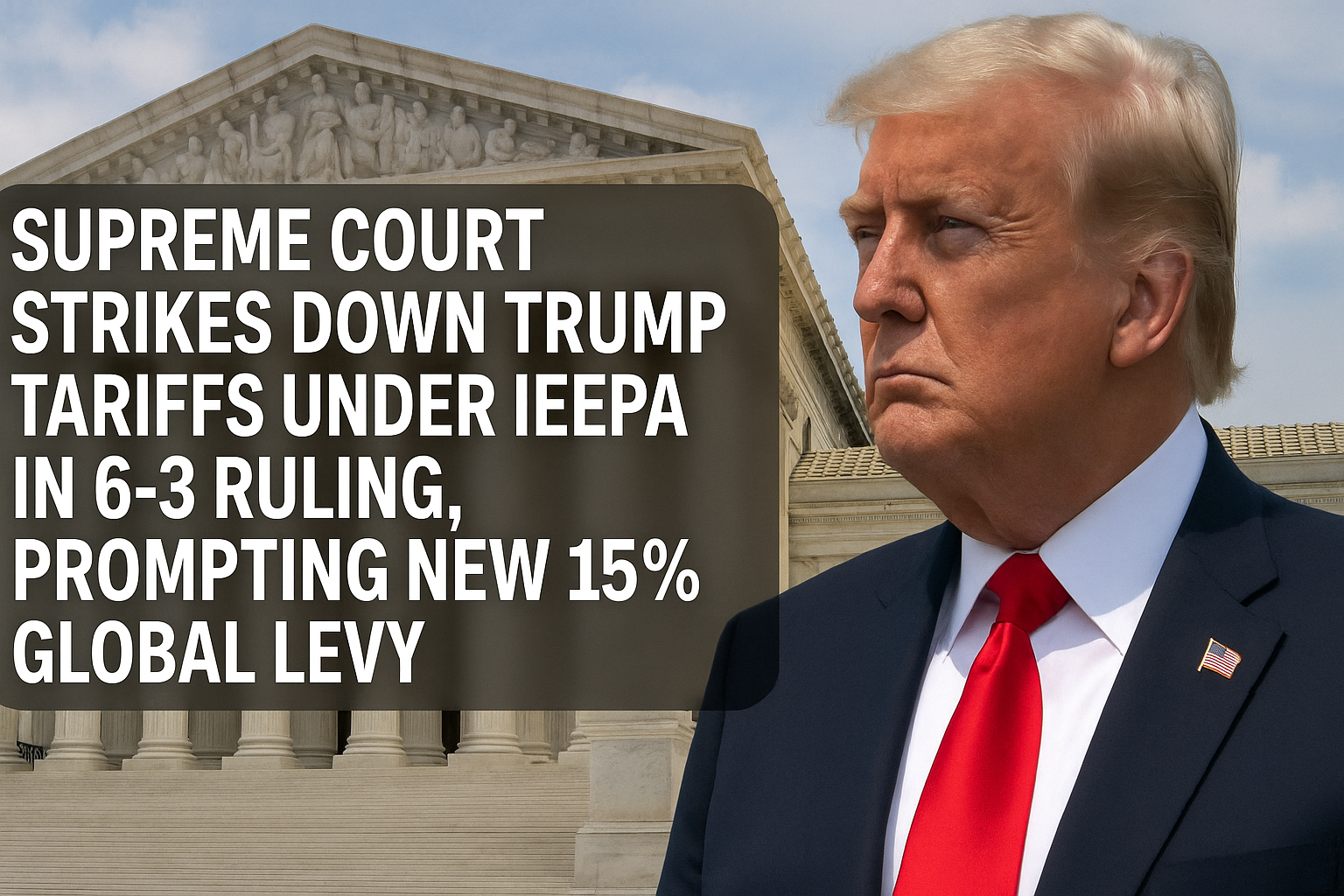
February 20, 2026 — Washington, D.C. The U.S. Supreme Court ruled 6-3 in Learning Resources, Inc. v. Trump that President Donald Trump exceeded his authority under the 1977 International Emergency Economic Powers Act (IEEPA) by imposing broad tariffs on imports from countries including Canada, China and Mexico via “fentanyl orders” and a “reciprocal order,” affirming Congress’s constitutional power over tariffs.
Chief Justice John Roberts wrote the majority opinion, holding that IEEPA’s text authorizing the president to “regulate … importation or exportation” does not encompass tariffs, as the statute “contains no reference to tariffs or duties.” Roberts invoked the major questions doctrine, stating the president must “point to clear congressional authorization” for such “extraordinary” economic power. The ruling vacated and remanded one lower court judgment while affirming another, leaving open potential refunds for over $175 billion in collected duties.
“Based on two words separated by 16 others in … IEEPA—‘regulate’ and ‘importation’—the President asserts the independent power to impose tariffs on imports from any country, of any product, at any rate, for any amount of time. Those words … cannot bear such weight.”
Justice Brett Kavanaugh dissented, joined by Justices Clarence Thomas and Samuel Alito, arguing IEEPA permits tariffs as a tool to “regulate importation” amid emergencies like trade deficits or drug trafficking. He warned the decision could require refunds of “billions of dollars,” creating a “mess” for the Treasury, and generate uncertainty in trade agreements worth trillions.
“The United States may be required to refund billions of dollars to importers who paid the IEEPA tariffs, even though some importers may have already passed on costs to consumers or others. As was acknowledged at oral argument, the refund process is likely to be a ‘mess.'”
Trump called the ruling “deeply disappointing” and a “disgrace,” expressing shame in the majority justices as “unpatriotic” and swayed by foreign interests, while praising the dissenters. He quickly announced a 10% global tariff under Section 122 of the Trade Act of 1974, later raising it to 15%—the statutory maximum—effective February 24 for 150 days, citing balance-of-payments deficits. Exemptions include pharmaceuticals, certain foods like beef and tomatoes, critical minerals, and USMCA partners Canada and Mexico; existing Section 232 and 301 tariffs on steel, autos and China remain unaffected.
Trump stated the move would increase revenue: “The end result is going to get us more money.”
U.S. stock futures dipped in initial reaction to the tariff hike, amid volatile trading as investors weighed inflation risks and trade uncertainty.
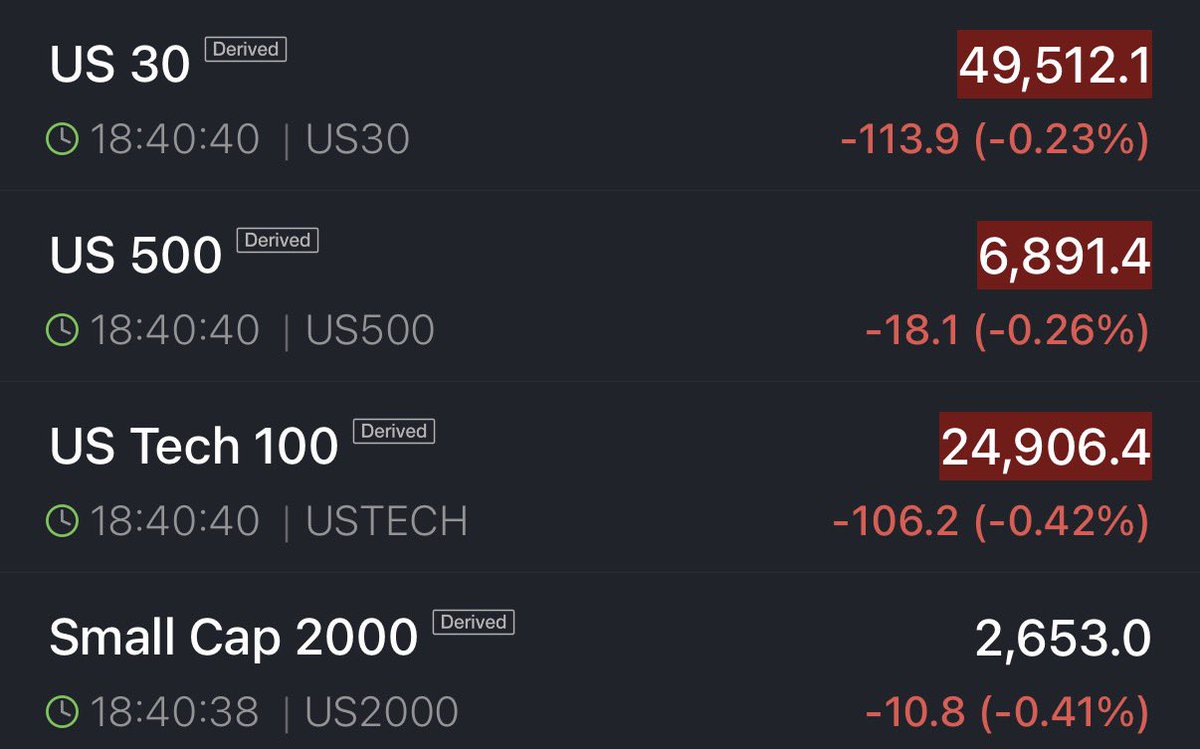
BREAKING: US stock market futures open lower in their initial reaction to President Trump raising global tariffs from 10% to 15%.
— The Kobeissi Letter (@KobeissiLetter) February 22, 2026
The case stemmed from challenges by businesses and states against IEEPA tariffs generating over $200 billion in 2025, stayed by lower courts pending review. Democrats like Gov. Gavin Newsom demanded consumer refunds, while officials noted alternative statutes preserve most tariff revenue.